Businesses invest in websites and advertising, then lose some enquiries between a form, a mailbox and a sales manager. A CRM integration should make every lead traceable, assignable and recoverable—not merely add another tool to the stack.
Map one enquiry from start to finish
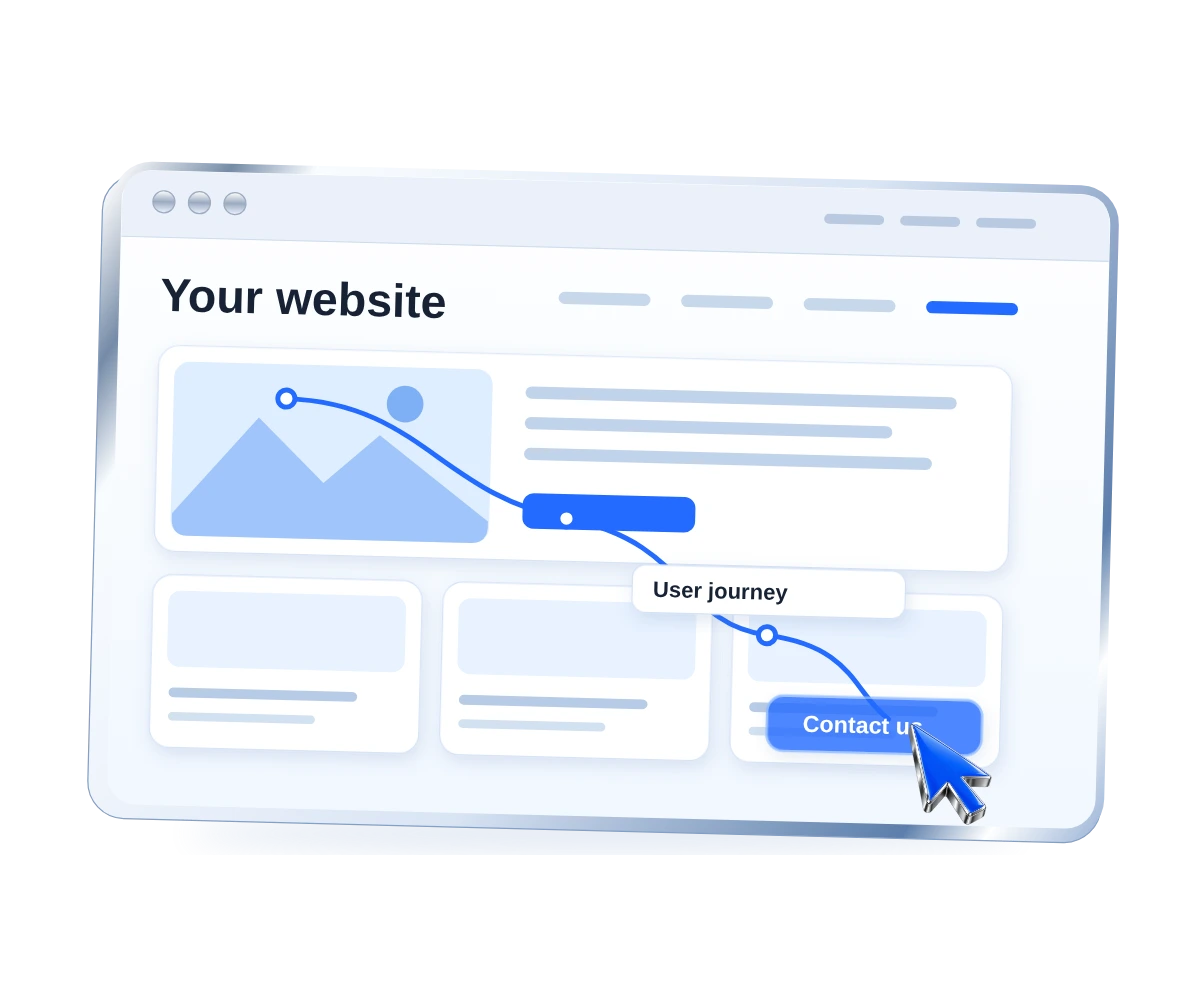
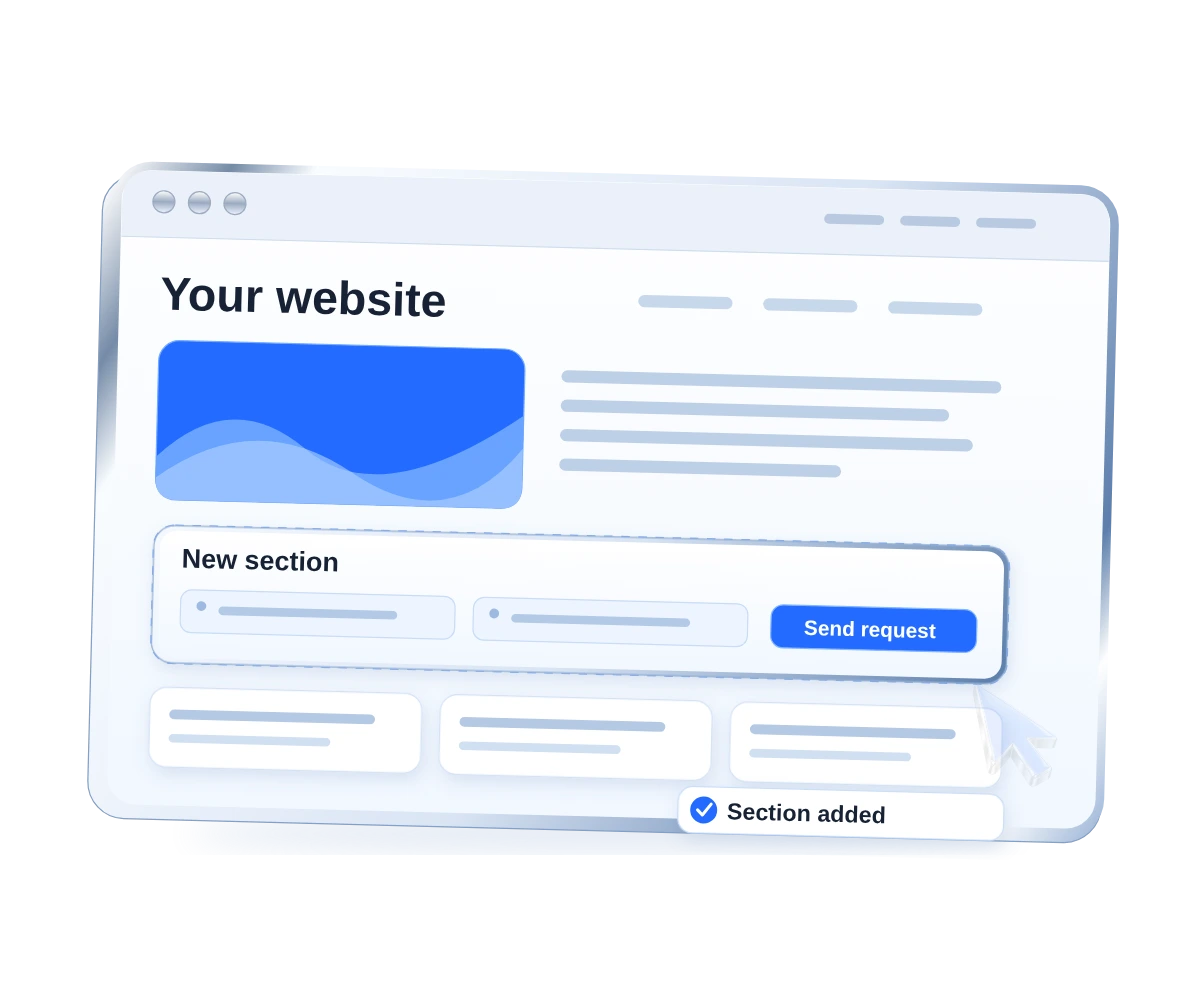
A visitor submits a form, the server validates it, the CRM creates or updates a record and a manager receives a task. Every handoff can fail. Document both the successful journey and what should happen if the CRM API is unavailable.
A temporary outage should not silently discard submissions. Queueing or backup notifications may be appropriate depending on the project.
Transfer the right fields
Include contact details, form name, originating page, product of interest and relevant consent information. Marketing attribution may require UTM parameters and source identifiers, but avoid exposing sensitive data in URLs or sharing more information than necessary.
Define duplicate-handling rules. Multiple enquiries from one person do not always represent the same sales opportunity.
Connect form events with sales outcomes
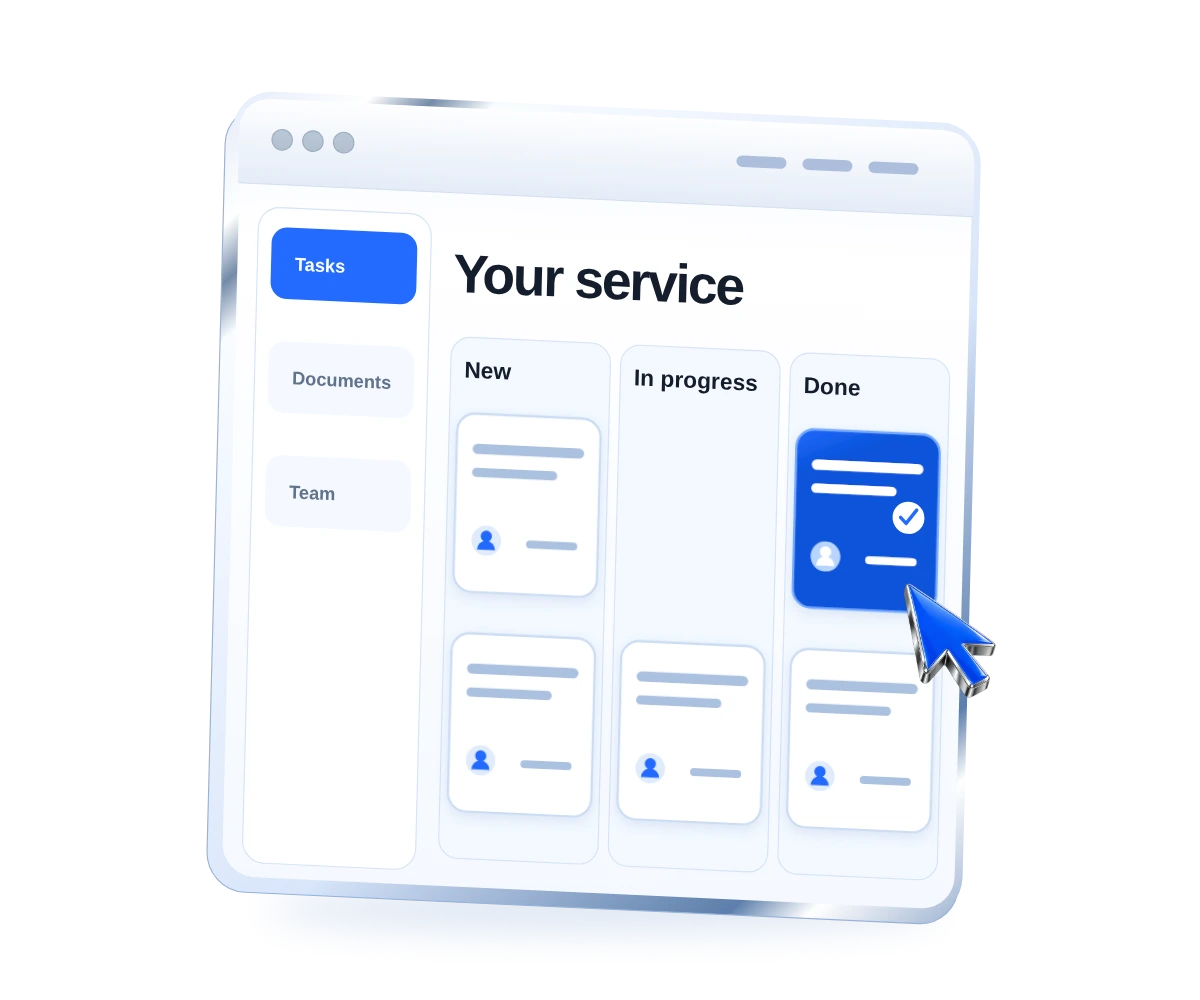
Yandex Metrica can track successful form submissions, while the CRM records whether a lead was qualified, contacted and converted. Messenger clicks are useful intent signals, but they should not be reported as confirmed enquiries.
Offline conversions need careful matching and validation. The ultimate goal is to understand lead quality as well as volume.
Test failure scenarios
Submit valid and invalid forms, repeat enquiries, simulate API failures and review retry behavior. Every record should have an identifiable source, time and owner.
Before deployment: agree fields, access permissions, deduplication, fallback delivery and error logging. Sophisticated workflows may require a custom web service, while simple lead transfers can often use a modest integration.