A company blog should not be a publishing calendar for its own sake. Content works best when it answers customer questions before a purchase and supports existing service pages. A practical three-month plan is better than an ambitious schedule nobody can sustain.
Collect questions from sales and support
Ask account managers to record recurring questions about timelines, budgets, product comparisons and project preparation. These topics are often closer to commercial intent than random industry news. Review existing service pages first: some questions deserve a better service explanation rather than a separate article.
Organise content around intent
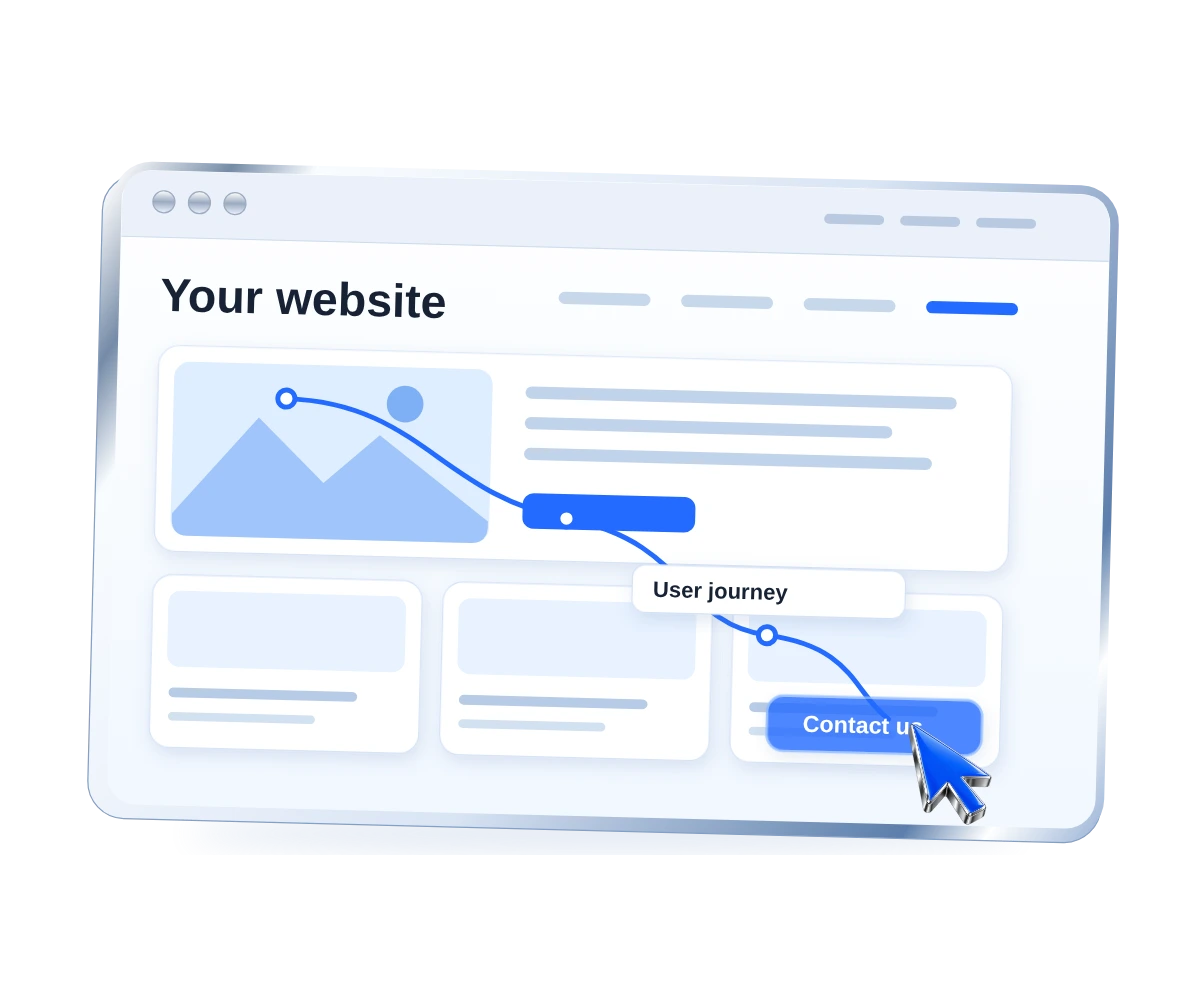
Some visitors are discovering options, others compare providers, and some need specific technical guidance. Match content format to the stage: comparison, checklist, explanation or tutorial. One article should not try to sell a service, define every related term and answer the entire market at once.
Make room for expertise and verification
Useful articles need input from specialists, editorial review and images that clarify the subject. If generative tools assist with drafting, verify claims and examples, particularly prices, laws and advertising platform features. Never present invented case studies as genuine work.
Measure what matters
Look beyond page views. Track relevant search queries, visits to service pages, enquiries and whether readers return. Review older material every quarter. A substantive update can be more valuable than publishing another shallow article.
A short checklist
- Gather recent customer questions
- Group topics by the buying journey
- Assign an expert and editor
- Connect each article to a service and measurable outcome
A content plan should reflect the company’s expertise and support sales, not merely create the appearance of constant activity.
Explore our approach to IQ Digital Agency services.